
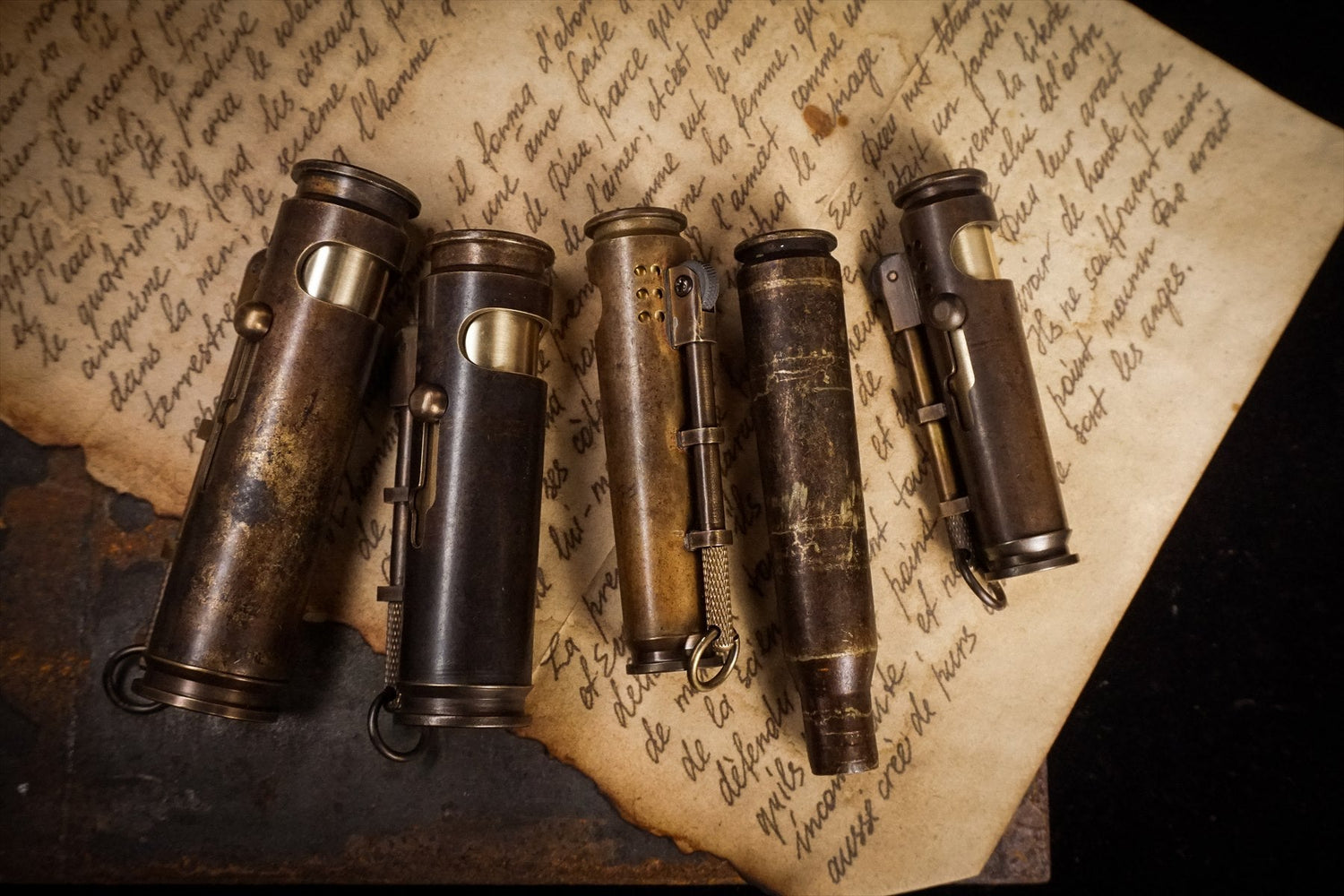
Antique, vintage, reproduction, or antique finish?
Start by fixing the label. Online listings often use antique to mean old-looking, brass-colored, distressed, collectible, or simply not new. Those are different claims. A 100-year threshold is a common antiques convention, but it is not a reliable marketplace filter, and a lighter can be historically interesting without meeting it.
| Label | What it should mean | Evidence to request | Common mistake |
|---|---|---|---|
| Antique lighter | A genuinely old lighter supported by period and object evidence. | Maker, model, mechanism, marks, period construction, provenance, and comparable documented examples. | Assuming patina, weight, or a seller estimate proves age. |
| Vintage lighter | An older lighter associated with a past period, not necessarily antique. | Production range, dated catalogs, maker code, ownership record, or period packaging that matches the object. | Using vintage as a precise legal or chronological category. |
| Reproduction | A later object intentionally copying an earlier design. | Current maker, production date, material, and disclosure of the design being reproduced. | Calling a faithful copy original because it uses an old mechanism or material. |
| Antique finish | A modern surface treatment or aged material chosen for an old appearance. | Current maker and model, present construction, finish description, and any repurposed material disclosure. | Reading the finish name as the manufacturing date. |

The four real lighters above are modern WEDO products with aged-brass character. Their surface variation is visible, but the image does not make them historical antiques. That distinction protects both collectors and buyers who simply want an old-world finish on a current working tool.
How to identify an antique lighter: use this six-step sequence
Identification is cumulative. No single logo, patent number, cartridge shape, serial, box, or family story should carry the whole conclusion. Photograph the lighter before cleaning, and keep the images tied to its dimensions and all marks.
- Record the object as found. Photograph every side, base, lid, insert, fuel opening, mechanism, accessory, case, and paper. Measure height, width, thickness, and weight. Do not crop out wear or damage.
- Identify the maker and exact model family. Note spelling, logo form, country wording, typography, patent text, and placement. Compare the complete object with maker archives, period catalogs, or specialist references—not only a similar auction photo.
- Name the mechanism before naming the date. Wick, petrol, squeeze-action, lift-arm, table, automatic, butane, and electric systems belong to different periods and service needs. If the type is unclear, use the types of lighters guide before attempting operation.
- Read marks in context. A date code must match the maker, period, model, font, location, and construction. Patent numbers may indicate a design history rather than the manufacturing year. Base stamps can also belong to replaced inserts.
- Compare materials and construction. Look at plating over base metal, brass thickness, seams, hinges, solder, screws, rivets, insert fit, machining, and finish. A period-correct body with modern replacement internals is not the same configuration as an untouched example.
- Build provenance and certainty. Receipts, catalogs, service records, original cases, and prior photographs can strengthen the chain. Record conclusions as confirmed, probable, possible, or unknown instead of forcing a precise year.

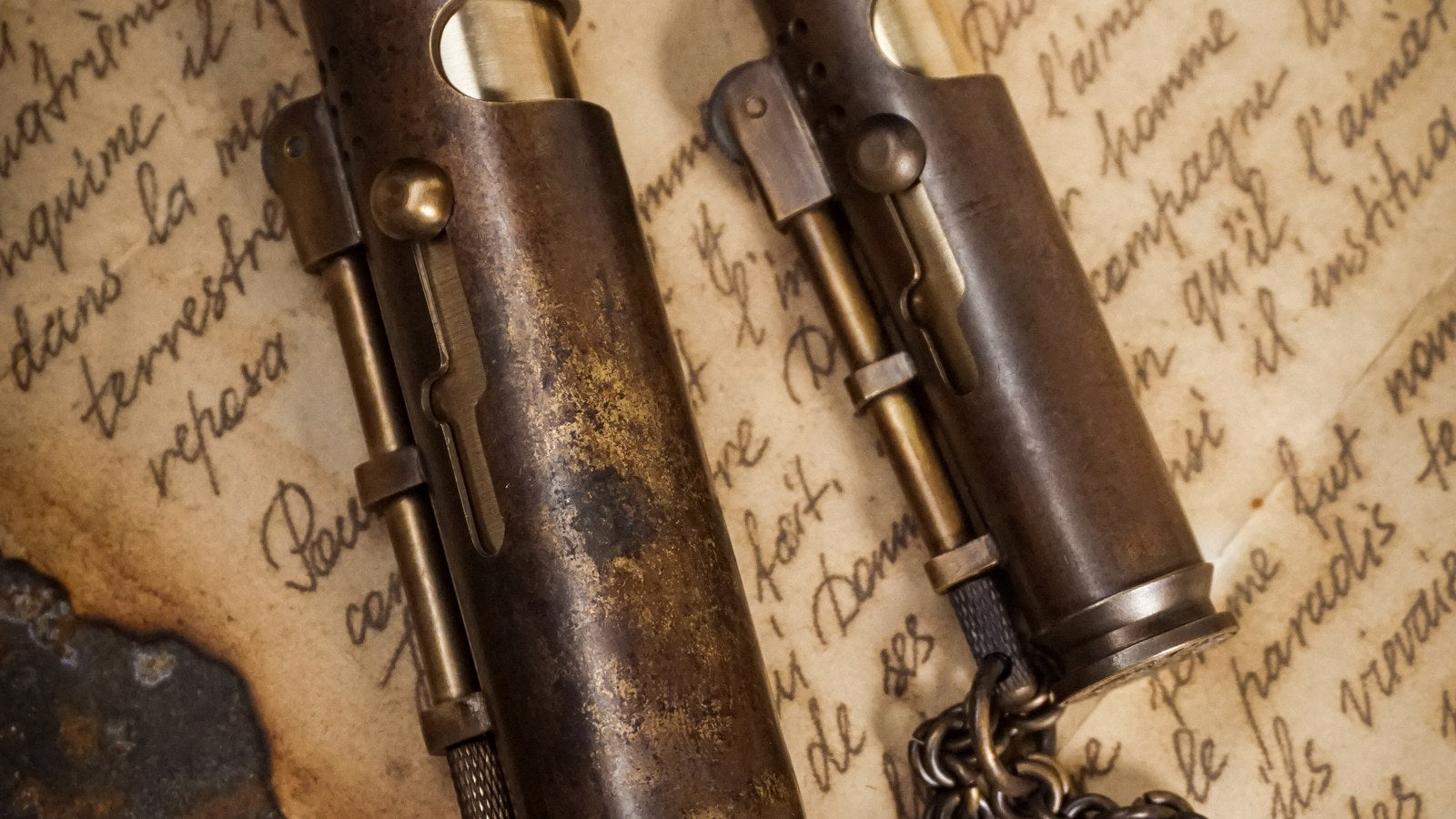
Inspect marks where they actually occur: the base, insert, mechanism, and hidden faces. The photograph above shows why an identification image needs more than a straight-on beauty view. It also shows a modern product; base appearance alone never proves antiquity.
Before fueling an old lighter, separate identification from live testing
A lighter can be collectible and unsafe to operate. It can also be mechanically complete but wrong for the fuel someone plans to add. Assume an unknown lighter may contain residue or pressure until a competent inspection shows otherwise.
- the fuel type or filling method is unknown;
- the body, tank, valve, cap, solder joint, or fuel opening is cracked, loose, distorted, or heavily corroded;
- seals are missing, hard, swollen, or improvised;
- the wick tube, jet, valve, flint tube, or vent is blocked;
- moving parts are seized and would require force;
- old fuel odor, liquid, powder, or unknown packing is present;
- the example is valuable enough that a failed test could harm evidence or value.
Do not test an unknown lighter indoors, near flame, near combustible material, or by repeatedly forcing the mechanism. Do not substitute fuel because a container happens to fit. A specialist familiar with the maker and system should examine valuable, unfamiliar, leaking, cracked, pressurized, or seized examples. Cleaning the exterior does not make the fuel path safe.
Condition, originality, and working order are three separate facts
Sellers often compress these into “excellent condition” or “works.” Ask them to separate the claims:
- Condition describes wear, dents, corrosion, plating loss, scratches, cracks, repairs, missing parts, and finish.
- Originality describes how much of the object remains as produced, including the body, insert, mechanism, marked parts, finish, and accessories.
- Working order describes current mechanical or ignition behavior under the correct fuel and procedure.
An original lighter may not work. A restored lighter may work well but contain replacement parts. A polished lighter may look cleaner while having less historical surface evidence. A seller should be able to state all three without treating one as proof of the others.
Should you clean, conserve, repair, or restore an antique lighter?
Decide the goal before touching the object. The right treatment for a display collection may differ from the treatment for a low-value user lighter. Photograph the starting condition, label removed parts, and keep a written intervention record.
| Action | Goal | Lowest-risk first move | What can be lost |
|---|---|---|---|
| Clean | Remove loose dust or harmful surface contamination. | Dry, soft, non-abrasive dusting after photography and material identification. | Residues, marks, lacquer, plating, and patina if chemicals or polish are used. |
| Conserve | Stabilize deterioration while preserving evidence. | Control storage, isolate active corrosion, and consult a conservator for valuable pieces. | Little when minimal and reversible; undocumented coatings can still alter evidence. |
| Repair | Restore one failed function with limited intervention. | Use a correct service part and keep the removed original component. | Originality, especially if marked parts, solder, drilling, or irreversible work changes the object. |
| Restore | Return appearance or operation toward an earlier state. | Define the target period and disclose every replaced or refinished element. | Original finish, tool marks, wear history, collector confidence, and sometimes value. |
Do not polish first and research later. Replating, sanding, buffing, repainting, soldering, and combining donor parts can make dating harder. Minimal, documented, reversible work generally preserves more options. If a replacement is necessary, retain the old part and disclose the change.
How to value an antique lighter without guessing from age
Value begins after identification, not before. Use this sequence:
- Define the exact maker, model, period, mechanism, material, finish, size, and configuration.
- Grade completeness, originality, condition, and working status separately.
- Find recent sold records for the same configuration, not merely the same brand or a similar color.
- Adjust for documented differences: rare variant, original box, replaced insert, engraving, damage, repair, finish loss, provenance, and sale venue.
- Separate collector value, usable value, insurance replacement value, and dealer retail. They answer different questions.
- Use a specialist appraisal for high-value, rare, disputed, or insured objects.
Age alone does not create rarity. Rarity alone does not create demand. A famous brand does not make every model valuable, and a high asking price is not a completed sale. The best estimate is a transparent range tied to comparable evidence and an inspection date.
Questions to ask before buying antique lighters
- What exact maker, model, and production range is claimed?
- Which photographs show the base, insert, mechanism, marks, fuel opening, and damage?
- Which parts and finish are believed to be original?
- What has been cleaned, polished, replated, repaired, replaced, or combined?
- Is the lighter sold as collectible only, untested, mechanically moving, or fueled and working?
- What correct fuel and service procedure applies, and who verified it?
- Are cracks, leaks, corrosion, stripped threads, seized parts, or missing seals present?
- What dimensions and weight will arrive?
- What provenance, catalog reference, receipt, case, or service record accompanies it?
- Which recent sold comparables support the price?
- What return rights apply if the object, marks, originality, or condition differs?
- Can the seller ship the lighter legally and safely to the destination without fuel?
If the answers are vague, price the uncertainty rather than the story. Request uncropped photographs and written disclosures before payment. Do not ask a seller to fuel a valuable untested piece merely to create a demonstration video.
How to store antique and collectible lighters
Store according to the identified fuel system and local safety requirements. For collection storage, many owners choose to have the lighter professionally emptied and made safe rather than leaving uncertain fuel in it. Keep it upright where appropriate, away from heat, sunlight, children, ignition sources, and incompatible materials.
Use a stable, dry environment and avoid sealed damp bags. Support heavy table lighters so they cannot tip or scratch adjacent pieces. Keep paper labels and provenance records separately but linked to the object number. Photograph condition periodically so new corrosion, leaks, plating loss, or movement can be detected.
When a modern antique-finish lighter is the more honest choice
Some buyers want aged brass character, not the uncertainty or conservation responsibility of a historical collectible. In that case, a clearly disclosed modern working lighter can be a better fit. Judge its current function with a high-quality lighter checklist, not with antique value rules.

Modern assembly · Aged brass surface · Repairable wick system
Large Military (Antique)
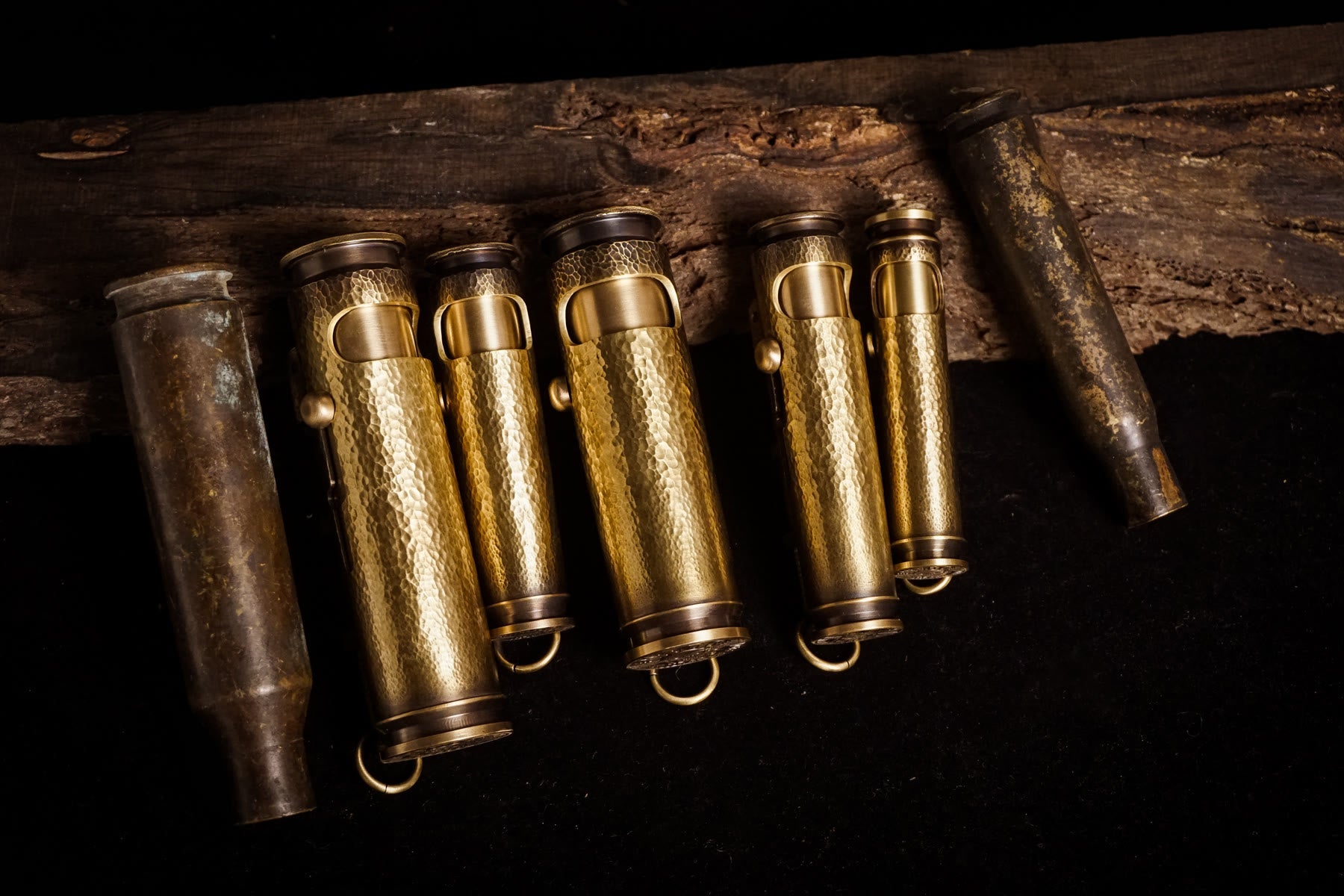
This is a modern working WEDO lighter made from a real repurposed aged-brass 12.7 × 10⁸ casing. It is not presented as a documented historical antique. The current model measures 92 × 21.5 mm, weighs about 130 g, and ships without fuel.
The product page lists replaceable wheel, flint, wick, cotton, O-ring, springs, and chain. It suits an adult who wants aged-brass character in a current serviceable wick system and accepts its size, fuel routine, and maintenance. If provenance and period originality are the goal, choose a documented collectible instead.
Check the verified modern model specificationsFor this identified modern model only, follow the current WEDO usage and care guide. Do not transfer those instructions to an unknown historical lighter.
Frequently asked questions
How old does a lighter have to be to be antique?
A 100-year threshold is a common antiques convention, but online sellers use antique and vintage loosely. Do not date a lighter from the listing label alone. Identify the maker, model, mechanism, marks, materials, and production period, then record how certain the date is.
How can I identify an antique lighter?
Start with maker and model, then document the ignition mechanism, base and interior marks, date codes, construction, dimensions, condition, and provenance. Compare the exact configuration with period catalogs or maker records. One logo, patent number, old-looking finish, or seller story is supporting evidence, not proof by itself.
Are old lighters safe to use?
Age alone cannot answer that. An unknown lighter may contain old fuel, damaged seals, blocked passages, corrosion, brittle packing, or incorrect replacement parts. Do not fuel or ignite it until the fuel system and condition are positively identified. Valuable, unfamiliar, leaking, cracked, or seized examples belong with a qualified specialist.
Should I clean the patina off an antique brass lighter?
Usually not before identification and documentation. Patina, wear, plating, lacquer, tool marks, and residues can carry evidence. Aggressive polishing may erase marks, round edges, remove plating, and reduce collector interest. Begin with photographs and dry, non-abrasive dust removal; seek conservation advice before using chemicals or polish.
Does restoring an antique lighter reduce its value?
It can. Replating, polishing, refinishing, replacing marked parts, or combining donor parts may improve operation while reducing originality. Value depends on the collecting market and quality of the work. Record every intervention, keep removed original parts, prefer minimal reversible work, and disclose replacements when selling.
How much is an antique lighter worth?
There is no reliable value from age or brand alone. Identify the exact maker, model, period, material, finish, mechanism, completeness, originality, condition, and working status. Then compare recent sold examples of the same configuration, adjusting for documented differences. Asking prices are not completed sales; high-value items may need a specialist appraisal.
What do date codes on lighters mean?
They depend on the maker, factory, and period. A genuine code can narrow production, but it must match the model, typography, placement, construction, and known code system. Use primary maker charts where available. Do not apply one brand’s code logic to another or assume every mark is a date.
Is an antique-finish lighter an antique lighter?
No. Antique finish describes appearance, not production date. A newly assembled lighter may use aged, darkened, distressed, or repurposed metal and still be a modern product. Honest listings should separate the current model and maker from any older material used in its construction.
Sources and method
This guide reviewed ten different current organic results for “antique lighters,” including modern Antique-named products, vintage specialists, collectible dealers, marketplaces, repair resources, and valuation advice. It also checked a primary maker date-code reference and the current verified WEDO model page. The guide does not authenticate, appraise, certify, or declare an unknown lighter safe from photographs alone.
- Zippo — Date Codes
- Catawiki — How to Determine the Value of an Antique Lighter
- WEDO — Large Military (Antique)
- WEDO — Usage and Care
Search results, inventories, asking prices, and product specifications can change. Recheck volatile facts when making a purchase, sale, insurance, or restoration decision.

اترك تعليقًا
This site is protected by hCaptcha and the hCaptcha Privacy Policy and Terms of Service apply.