
Start with the job: there is no highest-quality lighter for every use
Quality starts with fit. A long-neck utility lighter can keep a hand farther from a candle or grill. A pocket soft-flame lighter favors simple control. A torch can resist wind and direct heat, but that same concentrated flame may be excessive indoors. A wick lighter adds a refill and maintenance routine. An electric arc avoids liquid fuel but introduces charging, battery aging, and a narrow ignition gap.
If the type is not yet clear, use the types of lighters guide first. Do not reward a product for solving a problem you do not have.
| Real job | Useful type | Quality evidence that matters most | Wrong shortcut |
|---|---|---|---|
| Candles, fireplaces, grills | Long-neck utility design | Reach, ignition lock or control, predictable shutoff, grip, instructions | Choosing the hottest flame |
| Everyday pocket use | Soft flame, wick, or compact butane | Repeatable ignition, comfortable size, fuel retention, durable moving parts | Assuming heavier is better |
| Wind or concentrated heat | Torch or wind-resistant design | Stable output, adjustment, heat management, correct fuel, safe handling | Using maximum power for every task |
| Collection, craft, or gift | Refillable, serviceable model | Real dimensions, material and finish evidence, parts, warranty, authentic photos | Treating decoration as mechanical proof |
| Fuel-free convenience | Electric arc | Battery and charging information, switch protection, arc gap, warranty | Ignoring battery replacement and end of life |
The nine checks that reveal lighter quality
1. Safety evidence is specific, current, and relevant
Look for the exact standard, rule, test method, market, model, and responsible company—not a floating “safety tested” badge. ISO 9994 specifies safety requirements for lighters, while national rules and child-resistance requirements may also apply. A standard number is useful evidence only when the seller explains what it covers. This article does not claim certification for any WEDO model.
2. Ignition is repeatable without abnormal force
A new lighter should not require a lucky angle, repeated violent strikes, or unusual pressure. Flint, piezo, wick, valve, and arc systems feel different, so compare like with like. Consistency matters more than a dramatic first flame.
3. Output is controlled and stops when expected
For flame lighters, check adjustment range, stability, and complete extinguishing according to the instructions. For electric lighters, check that the arc stops when the control is released or its stated timer ends. Delayed shutoff, flare-ups, or behavior that changes unpredictably is a stop signal.
4. The fuel or power system is explained
The listing should identify compatible fuel or charging requirements, whether the product ships empty, and the correct filling or charging procedure. Refillable does not automatically mean better: valves and seals create maintenance points. Electric designs trade fuel management for battery and charging management.
5. Dimensions and weight match the real task
Exact measurements prevent “premium” from becoming a surprise. Measure a similarly sized object, then test grip, pocket, drawer, or display space. Large mass can feel stable on a desk and cumbersome in a pocket. Ergonomic fit is part of quality.
6. Materials are connected to structure
Ask where the named material is used, how pieces are joined, what surface treatment is applied, and which parts actually wear. “Metal body” says little if the hinge, wheel, valve, insert, or seal is weak. Material stories should lead to inspectable construction facts.
7. Fit, finish, and moving parts are consistent
Edges should be appropriate to touch, gaps should be intentional, and moving parts should not wobble beyond the design. Handmade surfaces may vary without being defective; the question is whether variation affects grip, function, alignment, or service.
8. Wear parts and service have a real path
Replaceable flints, wicks, packing, seals, wheels, springs, inserts, valves, or batteries only add value when the correct parts, dimensions, tools, and instructions are available. “Repairable” without a parts path is marketing, not a maintenance plan.
9. The seller provides evidence after the sale
Credible support includes model-specific instructions, fuel guidance, warranty terms, contact information, parts availability, and a clear response to faults. Reviews can reveal patterns, but they do not replace documentation or inspection.
Does brass, steel, or a premium finish prove quality?
No material wins by itself. Brass can develop patina, machine well, carry useful mass, and support repair. Steel can provide strength in a smaller section. Engineering plastics can reduce weight and perform consistently when properly designed. A finish can protect, age attractively, or hide poor preparation.
Judge the system: body, insert, ignition, fuel path, seals, joints, surface, tolerances, instructions, and parts. A controlled disposable lighter may be mechanically more consistent than a badly assembled metal collectible. A carefully made refillable lighter may be more satisfying and repairable, but it asks more of its owner.
What “high quality” means for each lighter type
| Type | Look for | Common failure or mismatch | Ask before buying |
|---|---|---|---|
| Disposable butane | Consistent ignition, controlled flame, intact body, clear safety markings | Damage, unintended ignition, poor storage, unsuitable task | What safety and child-resistance rules apply in my market? |
| Refillable soft flame | Valve quality, adjustment, seals, correct fuel, instructions | Leaks, clogging, wrong fuel, overfilling | Which fuel and refill method does this exact model require? |
| Torch | Stable jet, heat-resistant construction, adjustment, purge guidance | Excess heat, sputtering, blocked jet, wrong indoor use | What task and fuel pressure range is it designed for? |
| Wick and fluid | Wheel and flint access, wick path, packing, seals, snuffer action | Fuel evaporation, dry wick, worn flint, soot, delayed extinguishing | Can I obtain the correct flint, wick, packing, and seals? |
| Electric arc | Charging information, protected controls, consistent arc gap, battery support | Battery aging, moisture, damaged electrodes, unsuitable target | What is the warranty and end-of-life path for the battery? |
Repairability is a quality advantage only when parts are real
A replaceable part turns predictable wear into maintenance instead of disposal. Start with the exact model diagram or parts list. Confirm whether common items can be ordered individually, whether dimensions are standard or proprietary, and whether a normal owner can reach them safely. Do not dismantle a fuel system beyond the maker’s instructions.

Flints are a simple example: a seller can name the consumable, show it, explain compatibility, and provide a replacement path. The same test applies to wicks, seals, springs, wheels, inserts, and batteries. A long list of theoretically removable parts is less useful than one available part with clear instructions.
How to judge a high-quality lighter from an online listing
Look for evidence that can be checked after delivery. The page should show the actual model from several angles, state dimensions and weight, identify material without vague substitutions, name the ignition and fuel system, explain whether fuel is included, list service parts, and link to care and warranty information. Images should agree with the written specification.
When shopping on a marketplace, distinguish the maker, seller, and shipper. Ask who handles defects and where replacement parts come from. Save the listing and order specification so the delivered item can be compared with what was promised.
A five-minute arrival check before adding fuel or charging
- Confirm the model, size, finish, included parts, and instructions match the order.
- Inspect the body for cracks, sharp burrs, impact damage, corrosion in functional areas, or blocked vents.
- Check that caps, wheels, buttons, hinges, inserts, and adjustment controls move as described without abnormal looseness.
- Read the exact fuel, charging, ventilation, and first-use procedure.
- Do not fuel, charge, ignite, or dismantle a product that arrived damaged or inconsistent with the instructions.
After following the maker’s setup, test in a safe, ventilated area away from flammables and children. Stop immediately if fuel is smelled or seen, the body becomes unusually hot, ignition is unintended, the flame does not extinguish, or the unit behaves differently from its instructions.
Quality is not the same as luxury, handmade, or expensive
Luxury describes positioning, materials, finish, rarity, brand, service, or presentation. Handmade describes a production method. Neither word proves ignition, sealing, safety, or fit. A handmade lighter may offer meaningful craft and replaceable parts; a mass-produced lighter may offer tighter statistical consistency. The useful comparison is documented in our guide to handmade versus mass-produced lighters.
Price should buy evidence you value: safer and more consistent operation, better documented materials, stronger finish, service, parts, warranty, or craft. If a higher price buys only adjectives and packaging, it has not established higher quality.
When a WEDO Large Classic fits this quality framework
This example is not the definition of quality and is not the right answer for every reader. It fits an adult who already wants a substantial wick lighter, accepts fluid-lighter maintenance and evaporation, and values inspectable construction and replacement parts.

Large · Inspectable structure and replaceable working parts
Large Classic Brass Lighter
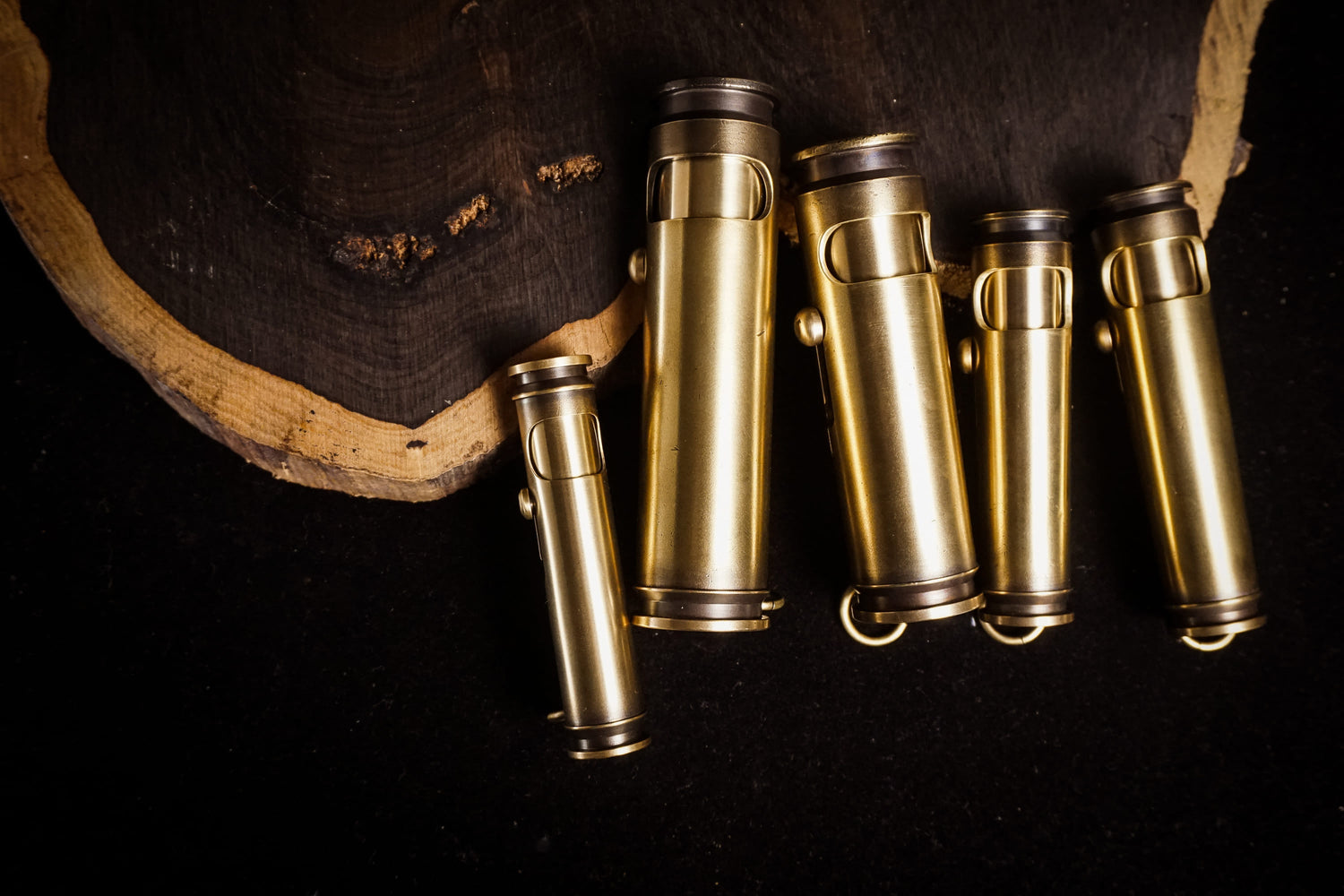
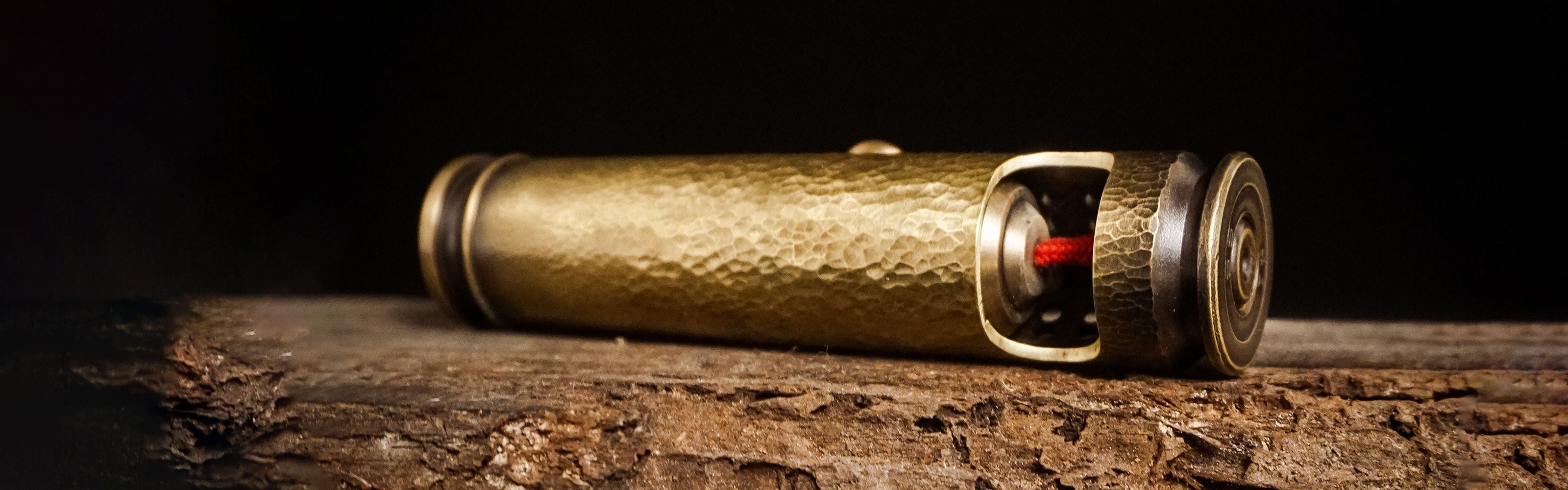
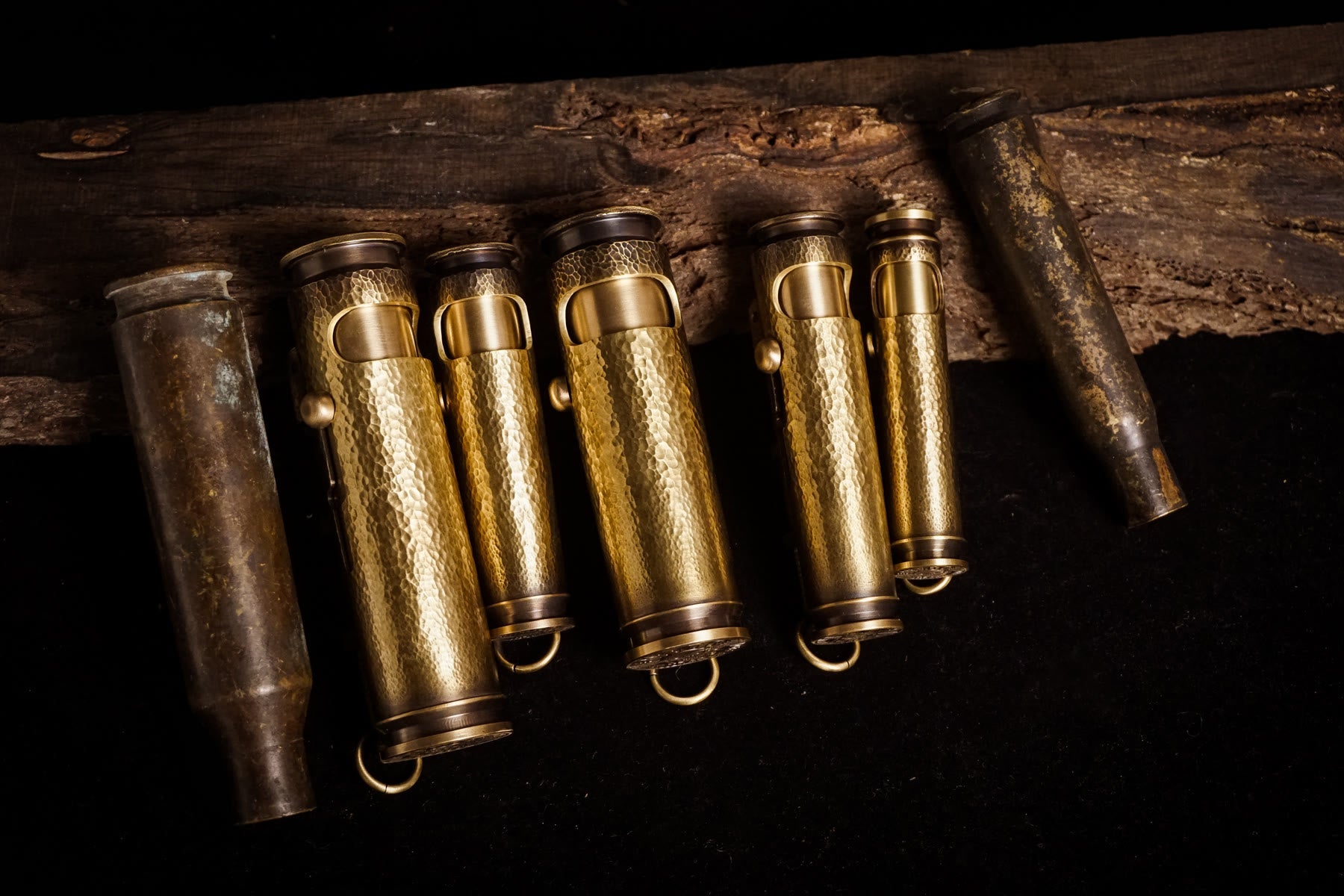
The verified model is handmade from a real repurposed 12.7 × 10⁸ brass casing. It measures 92 × 21.5 mm, weighs about 130 g, and ships without fuel. The product page lists replaceable wheel, flint, wick, cotton, O-ring, springs, and chain.
Those facts make the design easier to inspect and maintain. They do not remove the need to check size, use, instructions, ignition, leakage, storage, and local rules.
Check the verified Large Classic specificationsIf that size, fuel routine, or wick format is wrong, stop. Compare other verified structures in the WEDO Craft collection only after the neutral checklist has narrowed the type.
Good care protects quality but cannot repair a wrong product
Use only the fuel or charging method specified for the exact model. Keep ignition areas clean, replace consumables before they damage adjacent parts, store away from heat and children, and allow a fueled lighter to settle as instructed before ignition. For WEDO models, use the WEDO usage and care guide.
Maintenance cannot make a leaking, damaged, counterfeit, or poorly matched lighter safe. Stop using a unit with cracks, persistent fuel odor, visible leaks, uncontrolled flame, delayed shutoff, damaged battery, swelling, or abnormal heat. Contact the responsible seller or manufacturer rather than improvising a fuel-system repair.
Twelve questions to ask before buying
- What exact job must the lighter do?
- Which lighter type fits that job?
- What standard, rule, or model-specific safety evidence is stated?
- Are the dimensions and weight published and comfortable for the real use?
- Is ignition repeatable and the output controllable?
- Does it extinguish or stop as expected?
- Is the exact fuel or charging system explained?
- Are material claims connected to actual parts and construction?
- Which wear parts are replaceable, available, and documented?
- Are warranty, instructions, and responsible support easy to find?
- Can I compare the delivered item with authentic model photos and specifications?
- Would I still choose it without the words “premium,” “luxury,” “handmade,” or “high quality”?
Frequently asked questions
What makes a lighter high quality?
A high-quality lighter fits its job and combines predictable ignition, controlled flame or arc, reliable shutoff, a sound fuel or power system, durable construction, clear instructions, and credible support. Refillable models gain value when common wear parts are replaceable. No single material, price, weight, brand, or flame style proves all of those qualities.
Are heavy lighters better?
No. Weight can communicate solidity, but it can also make pocket carry uncomfortable and says nothing by itself about ignition, seals, flame control, safety, or service. Compare the stated dimensions and weight with your actual carry and use. A lighter that stays at home may tolerate more mass than one used every day.
Is brass always a sign of quality?
No. Brass can offer useful mass, patina, machinability, and repair potential, but material alone does not verify tolerances, seals, ignition, finish, or safety. Inspect how the material is formed, joined, finished, and supported. A well-controlled simpler lighter can outperform a poorly assembled metal one.
How can I check a lighter bought online?
Before fueling, compare the received model with the listing, inspect for cracks, sharp burrs, loose parts, damaged seals, or blocked vents, and read the exact fuel and care instructions. After following the maker’s procedure, test ignition and shutoff in a safe, ventilated place away from flammables. Stop if you smell fuel or see a leak.
Are refillable lighters higher quality than disposable lighters?
Not automatically. Refillable designs can reduce replacement and support repair, but they add valves, seals, fuel compatibility, and maintenance requirements. Disposable designs can be highly consistent when produced and tested under controlled systems. Judge each design against its intended life, safety evidence, reliability, waste, and service path.
Does a stronger flame mean a better lighter?
No. A torch flame can be useful for wind or cigar lighting but excessive heat is wrong for many household tasks and increases handling risk. A soft flame may offer better visibility and control for candles or routine use. Quality means controlled output matched to the job, not maximum power.
What parts should be replaceable on a refillable wick lighter?
Common service items include the flint, wick, packing cotton, seals or O-rings, and sometimes the spark wheel, springs, or removable insert. The exact list depends on the model. Confirm parts availability, instructions, dimensions, and tools before assuming a lighter is repairable.
How long should a good lighter last?
There is no useful universal number. Life depends on design, frequency, fuel or battery, storage, contamination, impact, seals, replaceable parts, and whether the maker supports service. Ask for a realistic warranty and parts path, then track ignition, leakage, flame behavior, and wear instead of trusting a lifetime claim without conditions.
Sources and method
This guide reviewed the current first-page patterns for “high quality lighters” and checked primary safety information plus verified WEDO product and care pages. It is a buying framework, not a certification decision, legal opinion, or substitute for the instructions supplied with a specific lighter.

Laisser un commentaire
Ce site est protégé par hCaptcha, et la Politique de confidentialité et les Conditions de service de hCaptcha s’appliquent.