
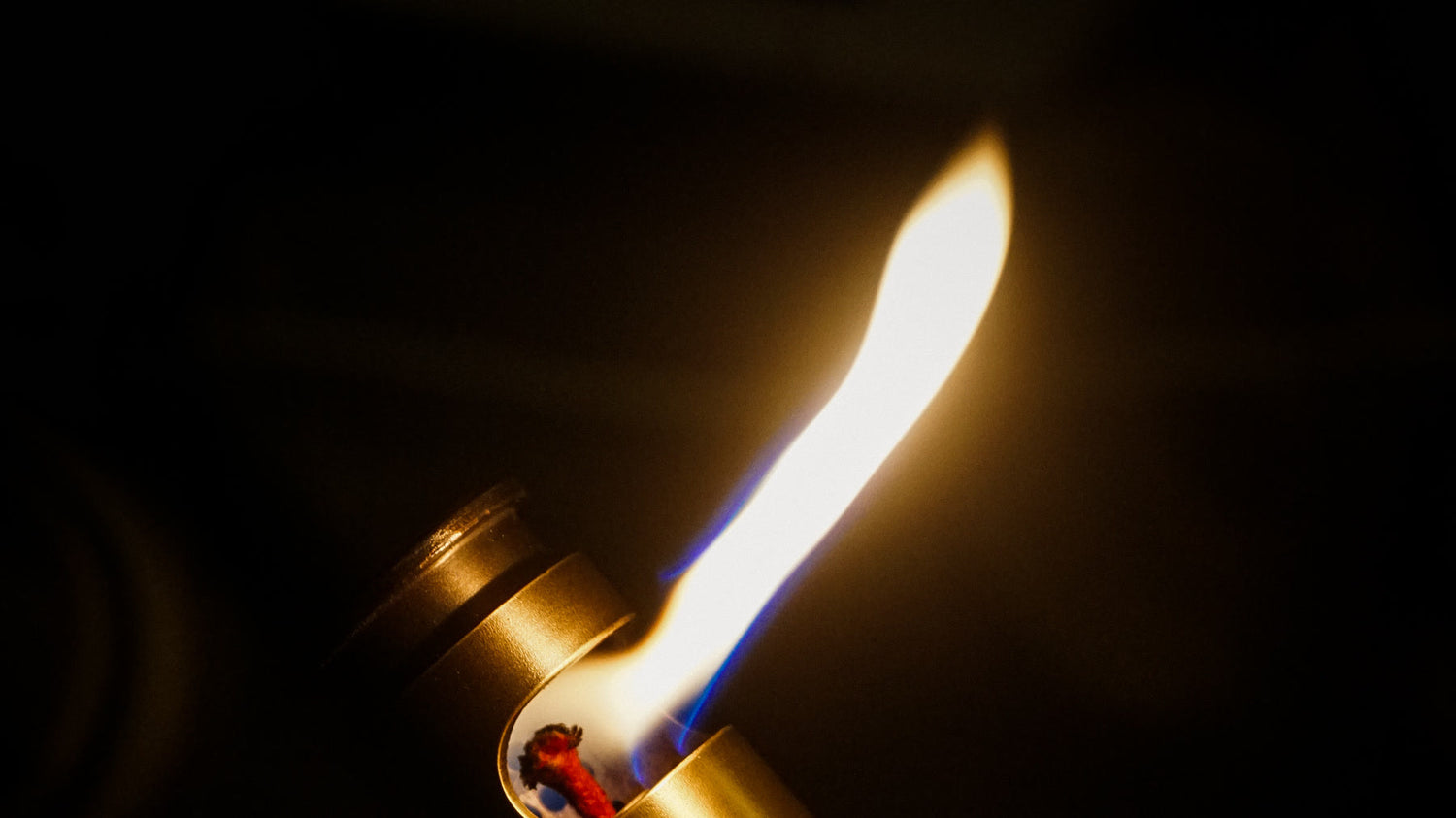
Why is my lighter not working? If you are asking “why is my lighter not working,” start by identifying the fuel and ignition system, then match the symptom: no spark points to the flint or igniter; a spark with no flame points to fuel delivery, wick saturation, burner flow, temperature, or the flame setting. Stop immediately if you smell gas, hear hissing when the control is released, see fuel leaking, or find damaged seals. Never puncture or dismantle a pressurized lighter.
Do not begin by repeatedly clicking. The useful clue is what happens before the failure: no spark, a spark without flame, a short flame, a weak flame, or gas flow without ignition. Each lighter system needs its own safe path.
Move away from flames, cigarettes, hot surfaces, children and pets. Stop immediately if fuel is leaking, the body is wet with fuel, you smell gas, hissing continues after the control is released, a valve or seal is damaged, the case is cracked or swollen, or the lighter becomes unusually hot. Do not test again. Ventilate safely, follow the manufacturer’s isolation and service instructions, and never puncture, burn or dismantle a pressurized lighter.
Identify the lighter before touching it
A wick lighter stores liquid fuel in absorbent cotton. You usually see a wick, chimney and flint wheel. A refillable butane soft-flame lighter stores pressurized gas and releases it through a burner near a spark. A torch mixes gas and air for a narrow jet. An electric arc lighter has electrodes and a battery but no liquid or gas flame. A disposable fuel lighter is normally sealed and is not a repair project.
Use the symptom map, not guesswork
| Observed symptom | Most likely area | Safe first check | Stop condition |
|---|---|---|---|
| No wheel movement or no click | Mechanical control, wheel or ignition actuator | Check for visible obstruction without forcing the control | Crack, bent part or jam requiring disassembly |
| Wheel turns but no usable spark | Flint, wheel contact or igniter | For a serviceable flint model, inspect the approved flint path | Broken wheel, exposed wire or sealed body |
| Spark is visible but no flame | Fuel delivery, wick saturation, burner, temperature or setting | Confirm correct fuel and system-specific flow | Odor, leak, wetness or hiss after release |
| Flame lights then dies | Low fuel, weak delivery, wick position, pressure or airflow | Let the lighter cool, then check fuel level and maker setting | Uncontrolled change, overheating or damaged seal |
| Hiss but no ignition | Gas flow without correct spark or mixture | Release control and confirm the hiss stops | Persistent hiss, odor or wet valve |
Work from left to right once. Repeated attempts can release gas or heat the mechanism. After one correction, wait the manufacturer’s stated interval and make one controlled test away from the filling area. Review how to use a lighter safely if the control sequence is unfamiliar.
When the lighter appears to have fuel
Why is my lighter not working even though it has fuel?
“Has fuel” does not mean usable fuel reaches the ignition point. A wick body may feel heavy while the upper wick remains dry, short or carbonized. A transparent butane tank may show liquid while cold temperature, a nearly closed flame setting, trapped refill error, a blocked burner surface or a failed valve prevents vapor flow. A disposable may still contain fuel but have a worn flint or damaged actuator.
First confirm the correct fuel from the maker, not from the color of the container. Our lighter fuel compatibility guide explains why liquid naphtha-style fuel and pressurized butane are not interchangeable. Then separate ignition from delivery. No usable spark means fuel is not the first problem. A consistent spark means you can inspect wick condition, room temperature, flame setting and approved burner-surface cleaning without opening the body.
The phrase lighter has fuel but won't light should not trigger more filling. Extra fuel can create spills or overfill while leaving the fault untouched. Let any spill dissipate safely and recheck the symptom.
A spark without a flame narrows the problem
Why does my lighter spark but not light?
A spark proves only that some ignition energy exists. The fuel must still reach that spark at the correct concentration. If a lighter sparks but won't light, check the flame control is not at minimum, the lighter is at room temperature, the correct fuel was used, and the burner or wick is not visibly contaminated. Keep your face and hands out of the flame path during any later test.
For a wick lighter, a bright spark beside a dry-looking wick points toward saturation or wick condition. For butane, a spark can coexist with too little gas, too much gas or a poor mixture. Do not bend a piezo wire; use service if an igniter or catalyst looks displaced.

Troubleshoot a failure that started after refilling
Why won't my lighter light after I refill it?
A lighter won't light after refill when the fuel is incompatible, the interface did not seal, the tank or packing was overfilled, a spill has not evaporated, the lighter is still cold, the flame control is too low, or the maker’s waiting interval was skipped. Move the fuel container away, keep the lighter unlit and let the area air out. Follow the manufacturer’s exact wait time before one test.
For liquid-fuel wick lighters, stop filling when the packing is saturated according to the maker and wipe the exterior before closing. Fuel on the case or hands is a stop signal, not an invitation to ignite it. For butane, use the specified can and tip, hold the refill alignment exactly as instructed, and refill at room temperature away from ignition sources. Some manufacturers provide a specific tank-air procedure; do not improvise a purge with an unknown tool.
If the valve keeps hissing after the can or control is removed, or if you smell butane, do not keep clicking. A refill fault can be a damaged seal rather than a temporary bubble. The complete sequence in how to refill a lighter safely should control the refill; this article only diagnoses what the symptom means afterward.
Separate a flint problem from a wick problem
How do I know whether the flint or wick is the problem?
Look for a usable spark before judging the wick. If the lighter wheel won't spark, the flint may be consumed, installed incorrectly or unable to contact the wheel; the wheel may also be dirty, worn or jammed. If the spark is reliable but the wick is very short, dry, hard or heavily carbonized, fuel delivery at the wick is more likely.
For a serviceable model, how to replace a lighter flint should come from that manufacturer: extinguish and cool the lighter, work away from fuel, open only the approved flint-spring path, replace with the correct size, reinstall the spring and confirm smooth wheel movement before adding any fuel-related test. Springs are under tension, so control the cap and keep it away from eyes.

Likewise, how to fix a wick lighter does not mean pulling the wick indefinitely. Many makers allow a carbonized wick tip to be raised slightly and trimmed to a specified height, but too much removal shortens service life and can disturb the packing. Replace or repack only with approved materials and instructions. The mechanism overview in how a flint lighter works helps separate the wheel-and-flint ignition path from the wick-and-cotton fuel path.

Butane and torch lighters need a separate path
When a butane lighter not working is the problem, confirm the model is refillable, the correct butane and adapter were used, the body has returned to room temperature, and the flame control is within the maker’s starting range. Hold the lighter upright as instructed and listen only during a brief activation. Gas odor, wetness or hissing after release means stop.
A torch lighter not working may have an additional air-mixing or catalyst problem. Do not insert a needle into the jet, scrape a catalyst, enlarge an orifice or bend the spark wire. Colibri’s published care guidance, for example, recommends approved compressed-air cleaning from a distance and warns against touching the spark wire or catalyst. Model instructions always take priority because burner construction differs.
Cold is easy to misdiagnose. Butane pressure falls as temperature drops, so a filled lighter may produce weak or no flame until it gradually returns to room temperature. Warm it naturally in your hands or indoors. Never use a stove, heater, flame, hot water, heat gun or a hot vehicle surface to warm a pressurized lighter.
When the flame is weak or keeps going out
If the lighter flame is weak, check fuel level, correct flame setting, room temperature and visible cleanliness. On a wick model, a short or carbonized wick and poorly arranged cotton can limit delivery. On a butane model, low pressure, a nearly closed control or burner contamination can reduce the flame. Do not compensate by immediately turning the control to maximum; make small maker-approved adjustments with the lighter off and cool.
Why does my lighter keep going out?
It keeps going out when fuel delivery cannot sustain the flame, airflow is wrong, the wick is too short or dry, butane pressure is low, the setting is too low, or the flame is exposed to conditions the model was not designed to resist. Let the lighter cool, correct one variable, and test once. If the flame surges, changes shape unpredictably or reaches the case, stop and service it.
How to clean without damaging the lighter
How to clean a lighter burner
Start with the manufacturer’s method. Work only on a cool, unfueled or safely isolated lighter as instructed. For an exterior flint wheel, a dry soft brush can remove loose debris without oiling the striking surface. For a butane burner, some manufacturers permit short bursts of clean compressed air held at a stated distance. Keep the can upright and do not touch the spark wire, catalyst or jet.
Do not use water, solvent, pins, drill bits or metal brushes inside a precision burner unless the maker explicitly specifies them. Oil can contaminate the flint wheel and burner. A tool that physically enters the gas path changes the risk from cleaning to repair. If approved surface cleaning does not restore operation, stop there.
Know when service or replacement is safer
A serviceable lighter is designed around named wear parts and an approved access path. A sealed disposable is not. Replace or use manufacturer service when basic checks fail, the correct part is unavailable, a valve or seal is involved, the case is cracked, the lighter overheats, or ignition remains intermittent after correct fuel and cleaning. The guide to how long lighters last explains why service life depends on the weakest part and maintenance path, not only the body material.
Choose a maintainable system only after diagnosis
The neutral lesson is simple: diagnose the system you own before buying anything. A flint, wick or fuel purchase is useful only when the corresponding symptom supports it. The WEDO Usage & Care hub organizes model-neutral fuel, refilling, operation and service guidance without pretending every lighter has the same mechanism.

Large Classic
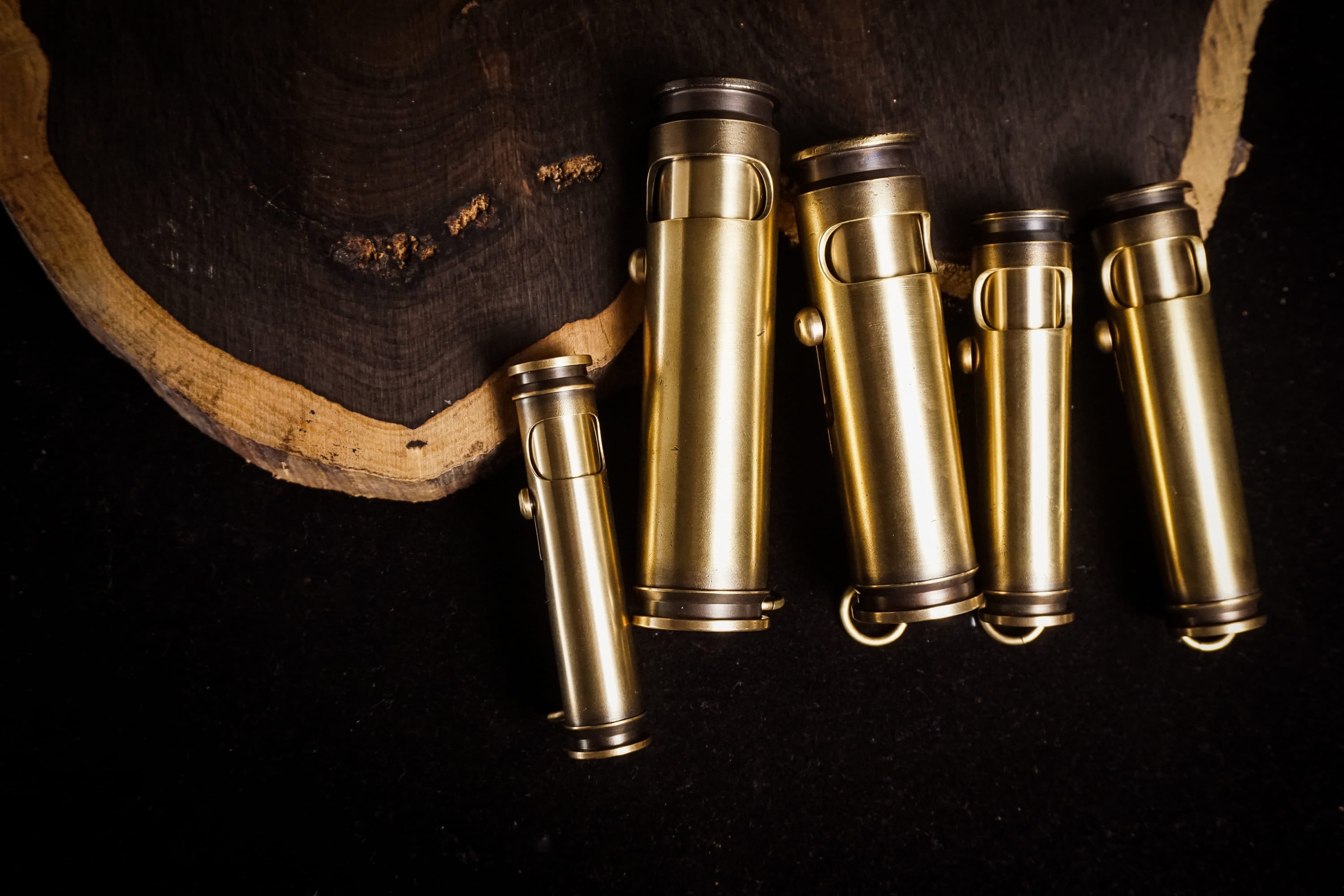
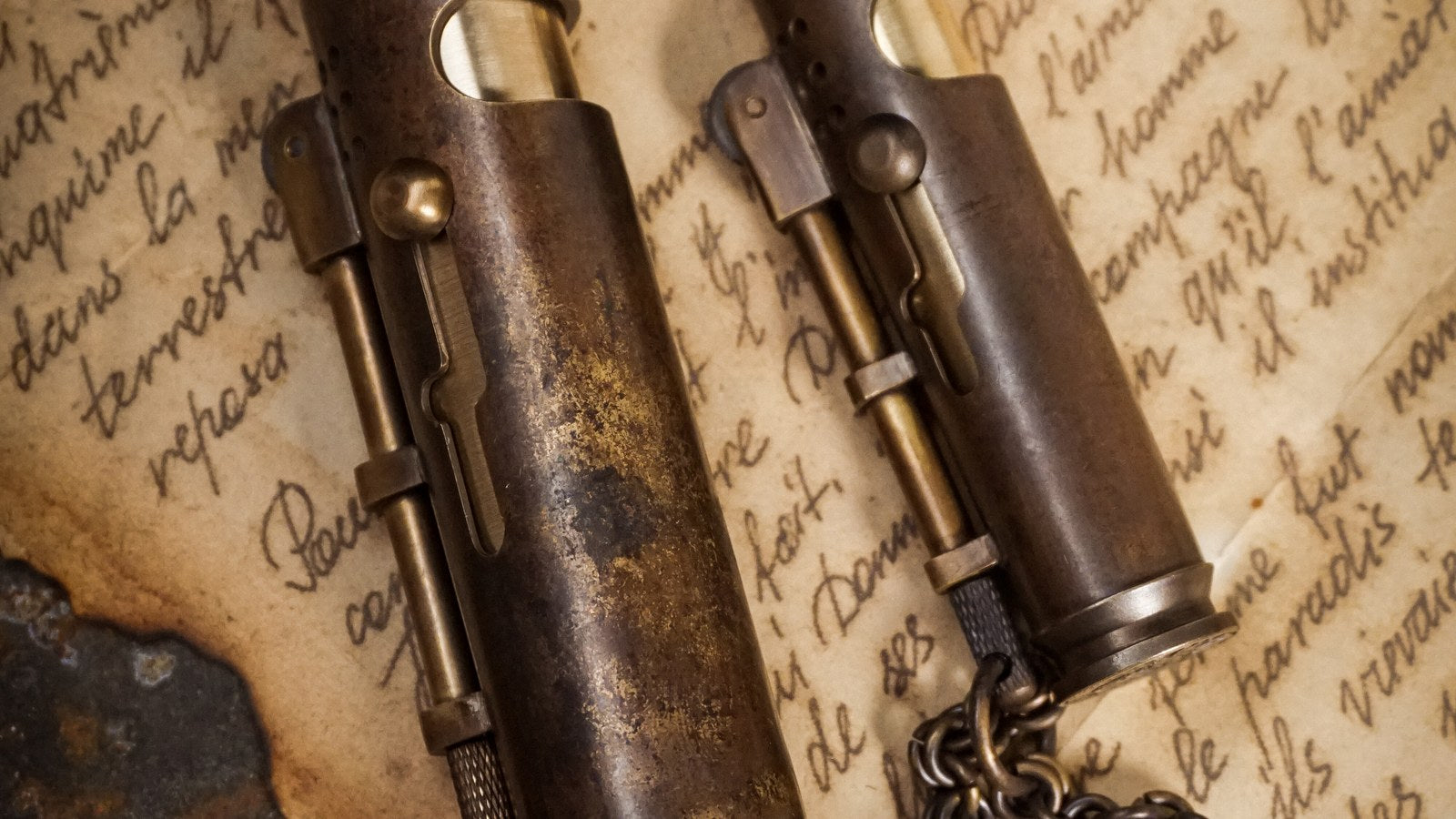
This model makes its wear system visible and serviceable: wheel, flint, wick, cotton, O-ring and springs are replaceable, and an accessory kit is included. Its real brass body measures 92 × 21.5 mm and weighs about 130 g. It ships without fuel, so correct liquid-fuel care still matters.
Best for: an adult who has chosen a wick system, accepts routine flint and wick service, and values a repairable mechanical object. It is not a repair solution for a leaking butane lighter.
Check the Large Classic mechanism and partsFrequently asked questions
A hiss only while the control is pressed can mean gas flows, but it does not prove the mixture, temperature, setting or spark position is correct. Let spilled fuel dissipate and follow the maker’s restart instructions. If hissing continues after release, odor appears, the body is wet or a seal is damaged, stop testing and arrange service or safe disposal. This is the critical boundary for lighter hissing but not lighting.
Stop for a leak, fuel odor, persistent hiss after release, damaged valve or seal, crack, swelling, abnormal heat, uncontrolled flame, repeated misfire after correct checks, or any repair that requires opening a pressurized tank. Stop with a sealed disposable that has no approved service path. Never puncture, burn or dismantle it.
Yes. Butane pressure falls in cold conditions. Warm the lighter gradually to room temperature in your hands or indoors, away from heaters and open flames. Never use direct heat, hot water, a radiator, stove or hot vehicle surface.
Not unless the manufacturer expressly provides that tool and procedure. A needle can enlarge the jet, damage a catalyst or move a spark wire. Use only approved external cleaning or professional service.
Sources, scope and limits
This guide checked ten different current Google organic results for the exact query and close symptom variants on 2026-08-27. The set included official Zippo support, torch guides, brand-specific pages, cigar media, a product result and several car cigarette-lighter-socket pages. That mixed result set is itself a warning: confirm that a page discusses a handheld lighter, not a vehicle’s 12-volt socket. Manufacturer instructions override this model-neutral guide.
- Zippo: lighter not lighting
- Zippo: how to use and maintain
- Colibri: lighter care
- Zippo: butane lighter inserts
- Zippo: windproof lighter repair
- U.S. CPSC: lighters FAQ
- WEDO Usage & Care
Final troubleshooting checklist
- Stop first for leakage, odor, persistent hissing, wetness, damage or abnormal heat.
- Identify liquid-fuel wick, butane soft flame, torch, electric arc or sealed disposable.
- Observe one symptom: no spark, spark without flame, weak flame, flame that dies or hiss without ignition.
- Check only the correct fuel, approved setting, room temperature and visible surface condition.
- After refilling, move the fuel away, wipe spills and wait the maker’s stated interval.
- Use spark presence to separate ignition parts from wick or burner delivery.
- Replace flint or service wick only through the maker-approved path.
- Never insert tools into a precision jet or bend an ignition wire without explicit instructions.
- Make one controlled test after one correction; do not repeatedly click.
- Use manufacturer service for valve, seal, pressure-system, heat or repeated-failure problems.

댓글 남기기
이 사이트는 hCaptcha에 의해 보호되며, hCaptcha의 개인 정보 보호 정책 과 서비스 약관 이 적용됩니다.