
How much does a lighter cost? In the United States, a basic disposable lighter often costs about $1–$3 per unit, while refillable pocket lighters commonly start around $5–$30. Branded windproof models may begin near $25, and handmade brass, engraved, luxury, or collectible lighters can cost $80 to several hundred dollars or more. The useful comparison is not price alone: match flame type, materials, repairability, warranty, fuel, shipping, and expected years of use.
A checkout price answers only the first part of the question. A $1.50 disposable, a $25 windproof lighter, a $75 workshop torch, and a $119 handmade brass lighter are not four grades of the same object. They use different fuel systems, materials, parts, labor, and service models. This guide uses U.S.-dollar examples checked on 2026-08-25 and treats every price as a snapshot, not a promise.
Current lighter price bands
How much does a lighter cost in the United States?
For an ordinary adult buyer, the useful starting bands are about $1–$3 for one basic disposable, $5–$30 for many simple refillable pocket lighters, roughly $25 and up for branded windproof models, and about $20–$75 or more for specialized inserts and torches. Rechargeable electric models span a similarly wide range because battery quality and electronics vary. Handmade brass, custom engraved, luxury, and collectible pieces commonly begin around $80 and can move into the hundreds or far beyond.
| Type | Useful current U.S. price band | What to verify |
|---|---|---|
| Basic disposable | About $1–$3 each | Single versus multipack, size, safety compliance, genuine brand |
| Simple refillable soft-flame | About $5–$30 | Fill valve, flame adjustment, compatible butane, replaceable flint |
| Branded windproof case | About $25 and up | Case and insert included, fuel type, finish, warranty |
| Butane insert or torch | About $20–$75+ | Insert versus complete lighter, flame count, intended task, fuel quality |
| Rechargeable electric | About $10–$50+ | Battery, charging port, activation lock, electrode layout, warranty |
| Handmade, engraved, luxury, collectible | About $80 to hundreds or more | Real material, labor, mechanism, repair support, provenance, live price |
These bands prevent a common error: comparing a bulk unit to a single retail item. BIC’s current U.S. site showed an eight-pack at $11.50, or about $1.44 each, and a 50-count Mini tray at $43.17, or about $0.86 each before tax and shipping. Those figures do not mean every store must match them. They show why pack count belongs beside the price.
What actually changes a lighter’s price
Six variables matter more than the word “premium.” First is the mechanism: a molded disposable flint wheel costs less to make than an adjustable torch valve, an electronic arc circuit, or a serviceable wick assembly. Second is material. Molded plastic, plated zinc alloy, machined brass, repurposed cartridge brass, sterling silver, lacquer, and precious-metal trim do not share the same input or finishing cost.
Third is surface work. Polishing, controlled patina, hammering, deep engraving, enamel, hand-applied lacquer, and multi-stage coating add labor. Fourth is production scale: a high-volume automated lighter spreads tooling over millions of units, while a handmade or made-to-order piece carries more labor per item. Fifth is the ownership system—spare flints, wicks, seals, repair instructions, warranty, and service. Sixth is brand or collectible scarcity, which can raise price without improving flame performance.
Why are some lighters so expensive?
Some lighters are expensive because they use more costly materials, tighter machining, complex valves, durable surface work, custom engraving, small-batch labor, repair support, warranty service, or documented collectible design. Those are testable reasons. A higher price is not proof of better quality: vague luxury language, a logo, artificial scarcity, or a decorative coating may add cost without adding reliable ignition or a longer service life. Use the same inspection standards described in our guide to how to judge a high-quality lighter.

What a disposable lighter really costs
How much is a disposable lighter?
A single full-size disposable commonly falls around $1–$3 in the United States, but location and pack format matter. A convenience counter may charge more for immediate access; an official store, supermarket, or warehouse pack may reduce the unit price. Special graphics, mini sizes, multipurpose reach, and local taxes shift the number. Cheap unknown products also deserve a safety and authenticity check rather than automatic selection.
How much does a Bic lighter cost?
There is no single BIC price because size, design, retailer and count vary. Current U.S. official examples checked for this article ranged from about $0.86 per Mini in a 50-count tray to about $1.44 per Classic Maxi in an eight-pack. A Canadian Tire page showed a single Maxi at CA$2.69; that is a Canadian-dollar example and should not be inserted into a U.S.-dollar comparison without conversion.
How much does a lighter cost at a gas station?
Often more per unit than a multipack, because a gas station sells convenience and singles. The exact answer depends on location, taxes, brand, size, artwork, and local competition. Compare the same item and count. Driving elsewhere to save fifty cents is not a saving, and buying eight when you need one can raise total spend even when unit price is lower.
Refillable, butane, and Zippo-style prices
How much does a refillable lighter cost?
Simple refillable pocket lighters often begin around $5–$30, while better valves, metal bodies, wind resistance, repairable inserts, and longer warranties can move the price higher. A low sticker price does not help if the fill valve leaks, the ignition fails, or compatible parts are unavailable. Check whether the lighter arrives fueled, which fuel is specified, and whether the maker publishes maintenance instructions.
How much does a butane lighter cost?
A basic refillable butane soft-flame model may sit in the lower part of the refillable band. Jet and torch designs usually cost more because the valve, air mixing, flame adjustment, and ignition face greater heat and pressure demands. Fuel purity can also become an ownership cost for small torch jets. Do not assume every “butane lighter” is a torch; soft flame, single jet, double jet, and pipe inserts solve different tasks.
How much is a Zippo lighter before fuel and inserts?
Zippo’s official U.S. Classic Gray page showed $24.95 when checked. That is a useful base-model example, not a universal Zippo price. Case finish, licensed artwork, limited editions, and collectibles cost more. Official butane inserts were listed at $20.95–$23.95 and sold separately from the case, so adding a new insert can bring the complete setup well above the case price. Liquid fuel, flints, and wicks are ongoing costs for the traditional windproof insert.
Torch and electric lighter prices
How much does a torch lighter cost?
Small consumer torches can overlap the $10–$30 refillable range, while more robust cigar, culinary, workshop, or attachment-equipped tools can cost $40–$75 or more. Zippo’s current Multi-Purpose Torch was listed at $74.95. Pay for a torch only when a concentrated, wind-resistant flame fits the task; it is unnecessary for many candles and may be unsuitable for delicate materials.
How much does an electric lighter cost?
Rechargeable arc and plasma lighters commonly appear from about $10 into the $50-plus range. The price can reflect battery capacity, charging electronics, electrode geometry, reach, weather protection, activation lock, and warranty. They avoid liquid fuel, but the battery is a wear component. A cheap sealed model with no repair path may have a shorter useful life than its rechargeable label suggests.
Compare cost over time, not just at checkout
Is a refillable lighter cheaper than disposable lighters over time?
Sometimes, but only when it stays in service. A refillable can become cheaper for frequent use if its body, valve or wick system lasts, fuel remains affordable, wear parts are available, and the owner does not lose it. For occasional use, a reliable disposable may remain the lower-cost choice for years. For someone who frequently loses pocket items, an expensive refillable may never recover its purchase premium.
Lighter cost per year = (purchase price + fuel + replacement parts + repair + shipping − resale value) ÷ years actually kept.
For a fair disposable vs refillable lighter cost comparison, use your actual frequency, fuel, parts, loss risk, and service life rather than the two shelf prices alone.
Use your own numbers. Twelve $1.50 disposables would cost $18 before tax. A $25 refillable plus $8 of fuel and parts would cost $33 in the first year, but if the body lasts five years, its annualized purchase price falls to $5 before fuel and service. The comparison changes if the refillable needs a $20 insert, if a disposable lasts much longer than expected, or if either product is lost.

The useful-life side matters enough to read separately: how long lighters last depends on fuel, flint, wick, valve, battery, seals, storage, and maintenance—not price alone. When fuel is part of the comparison, follow the correct lighter fuel compatibility instead of buying the cheapest can.
Choose a budget by use
How much should I spend on a lighter for everyday use?
Spend about $1–$3 when you need a straightforward disposable and are comfortable replacing the entire unit. Consider roughly $10–$30 when you want a refillable everyday tool and can verify its fuel valve, flame, instructions, and warranty. Move above that band only when a specific improvement matters: stronger wind performance, a better task-specific torch, rechargeable reach, real metal weight, repairable construction, custom work, or a form you intend to keep.
Do not buy a premium lighter merely because the category feels adult or collectible. If you mainly light birthday candles twice a year, a basic long-reach utility lighter may be safer and better value. If you carry a lighter daily and appreciate maintenance, a repairable wick or butane model may earn its higher price. If a valuable lighter will be left in vehicles, loaned out, or frequently lost, keep it at home and carry a simpler tool.
Costs that the product price can hide
- Fuel: liquid lighter fuel, butane, or electricity, plus the cost of obtaining the correct type.
- Wear parts: flints, wicks, cotton, O-rings, seals, springs, electrodes, or a complete insert.
- Shipping and restrictions: many lighters ship unfueled; taxes, hazardous-material rules, and destination limits can affect availability.
- Returns: handmade, engraved, fueled, or used items may have narrower return options. Read the actual policy.
- Counterfeit risk: a suspiciously low price can buy fake branding, weak safety controls, or no warranty.
- Storage and loss: evaporation, battery degradation, corrosion, damage, or simply misplacing the lighter can dominate lifetime cost.
Warranty language also needs interpretation. A lifetime warranty may cover the mechanism but exclude finish, misuse, fuel, shipping, or consumables. Repairability is stronger evidence when parts are named, instructions exist, and service remains accessible. Our guide to what makes a luxury lighter separates verified substance from status pricing.
A verified handmade brass price example
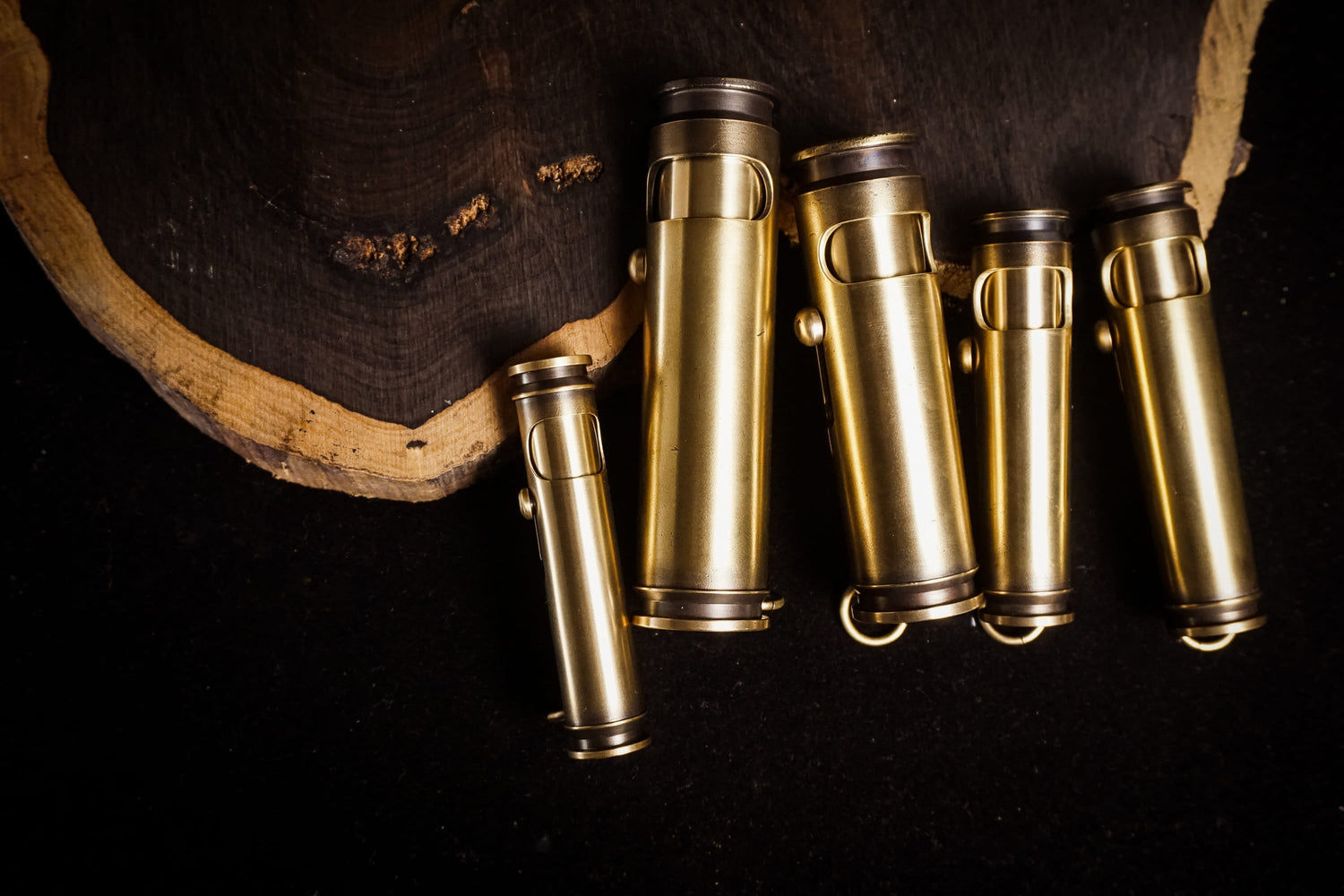
Only after deciding that real brass, handwork, weight, repairability, and long ownership matter does a handmade price become comparable. WEDO’s handmade brass lighters do not compete with a $1 disposable on minimum checkout cost. They address a different buyer: someone choosing a lasting mechanical object and willing to maintain it.

Large Classic
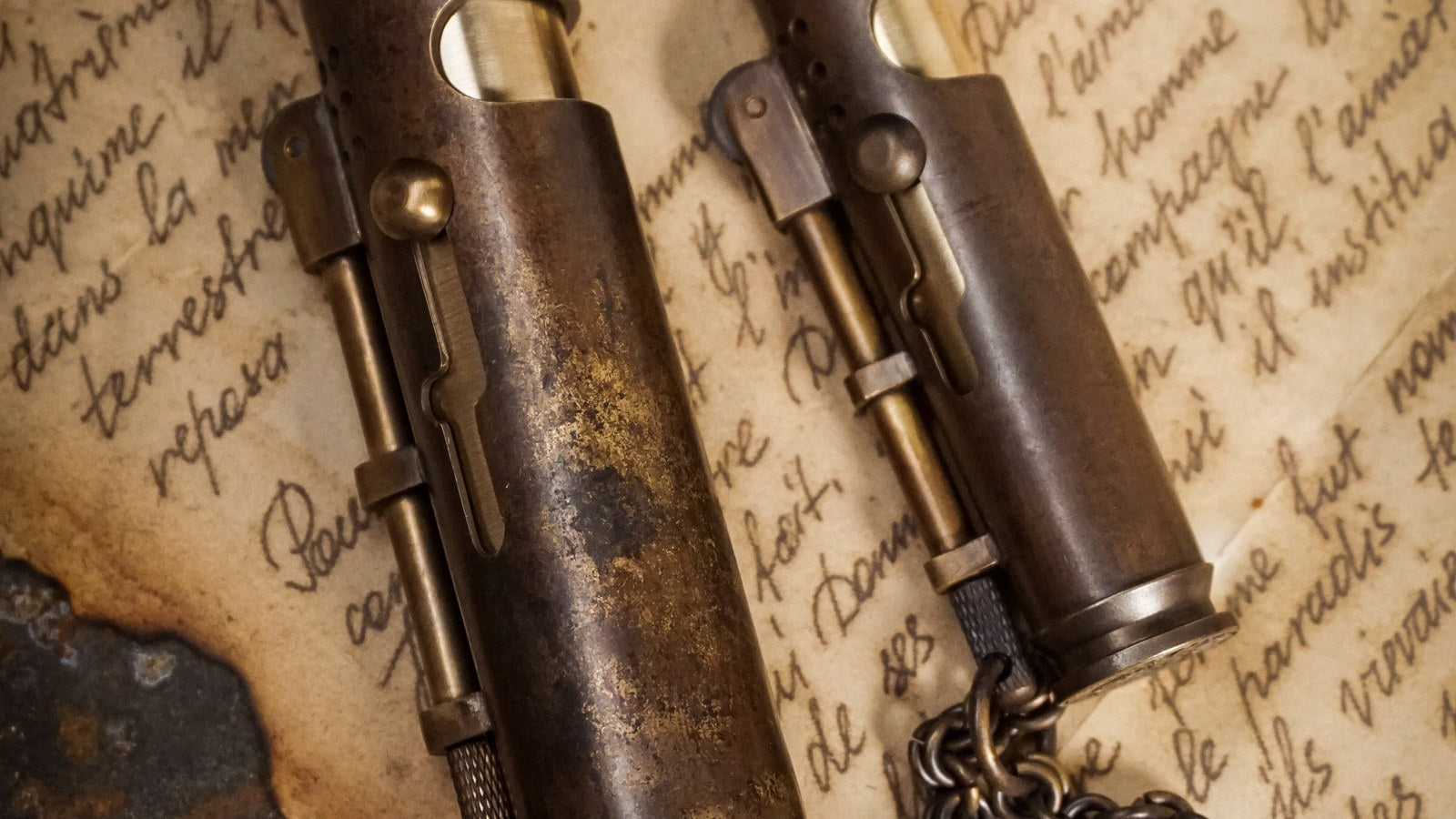
The current product page lists a $119 sale price, a real repurposed 12.7 × 10⁸ brass casing, 92 × 21.5 mm dimensions, approximately 130 g weight, an included accessory kit, replaceable working parts, and shipment without fuel. Price and availability can change.
Best for: a buyer who values real brass weight, replaceable wear parts, and long-term ownership. Not for someone whose priority is the lowest price or lowest loss risk.
Check the live Large Classic price and specificationsFrequently asked questions
A current official U.S. example checked for this guide listed the Classic Gray windproof lighter at $24.95. Other cases, finishes, licensed art, limited editions and inserts cost more. Refillable butane inserts were listed around $20.95–$23.95 and sold separately, so compare the complete configuration.
They can be when the price buys verified material, the right mechanism, accessible parts, repair service, warranty, durable finish, and a form you will keep. They are not worth it when the premium is mostly a logo, vague luxury wording, fragile decoration, or unused features.
Usually at purchase, yes. It includes a battery, charging electronics, electrodes, and controls. It becomes cheaper over time only if it survives enough charge cycles, suits the task, and is not lost or damaged.
It may cost more per unit because convenience stores often sell singles. Compare the same brand, size, and count, then include travel and whether you need a multipack.
Current sources and price limits
This guide checked ten different current Google results on 2026-08-25, including official BIC and Zippo pages, Walmart, Canadian Tire, REI, and current buying guides. Prices change by date, seller, country, currency, tax, promotion, shipping, count, finish, and stock. Retail pages are examples rather than universal market promises; Canadian-dollar examples were not mixed into U.S.-dollar bands. Verify the live product page before buying.
- BIC U.S. pocket lighters
- BIC Mini 50-count tray
- Walmart lighter category
- Canadian Tire refillable example
- Zippo Classic Gray
- Zippo butane inserts
- Zippo Multi-Purpose Torch
- REI lighter category
Final lighter price checklist
- Compare the same type, size, count, currency, and complete configuration.
- Write down the required flame, reach, wind resistance, and actual task.
- Check whether fuel, insert, charger, parts, case, and shipping are included.
- Verify real material and mechanism instead of relying on “premium” or “luxury.”
- Confirm compatible fuel, named wear parts, repair instructions, and warranty exclusions.
- Estimate annual cost using the years you realistically expect to keep the lighter.
- Include loss, returns, taxes, shipping, and availability.
- Keep a basic or no-buy option when added features do not solve a real need.
- For handmade or collectible products, verify current price, provenance, dimensions, condition, and policy.
- Recheck the live listing before purchase because every quoted price is time-sensitive.

Laisser un commentaire
Ce site est protégé par hCaptcha, et la Politique de confidentialité et les Conditions de service de hCaptcha s’appliquent.